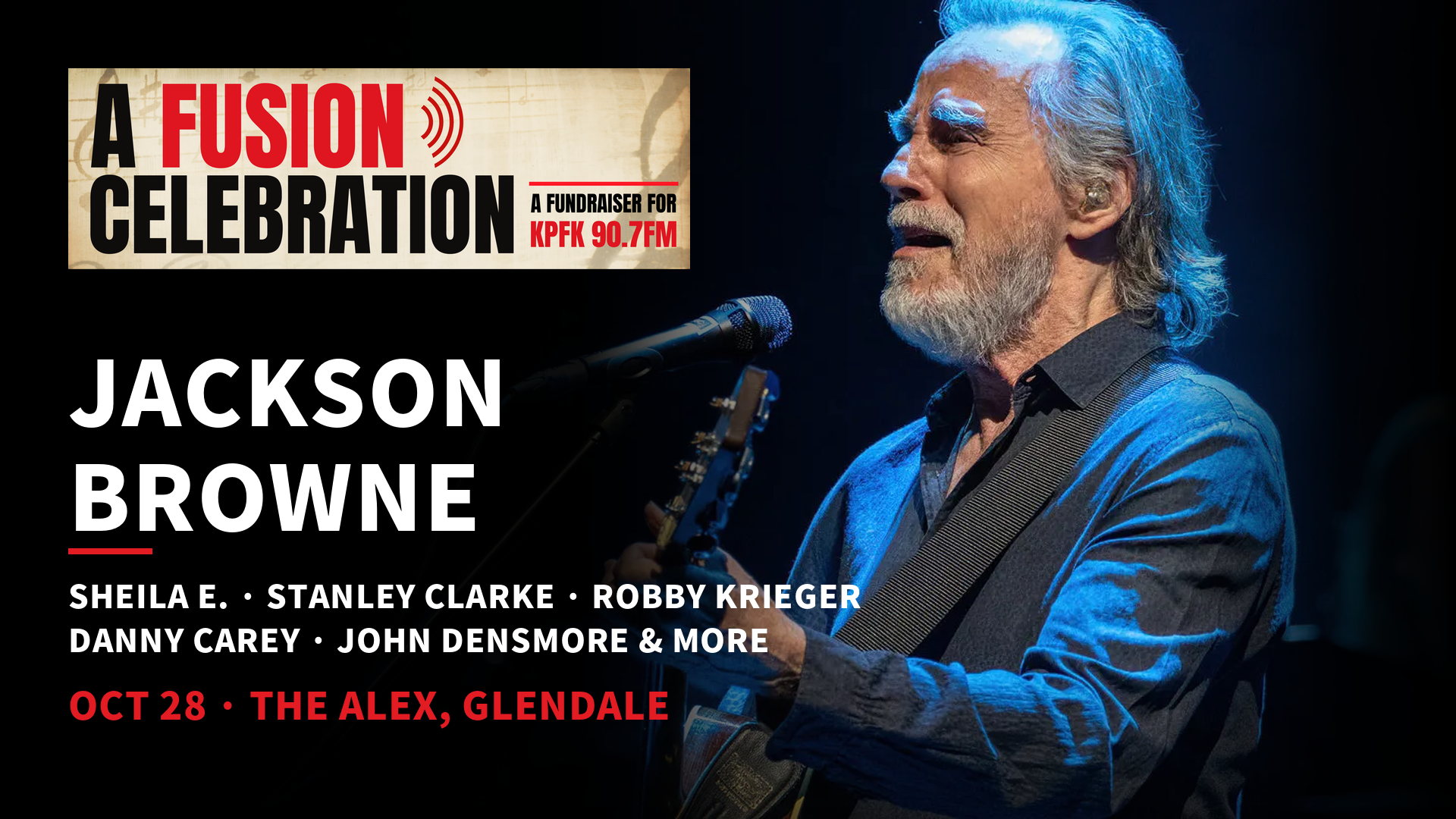
About KPFK 90.7 FM
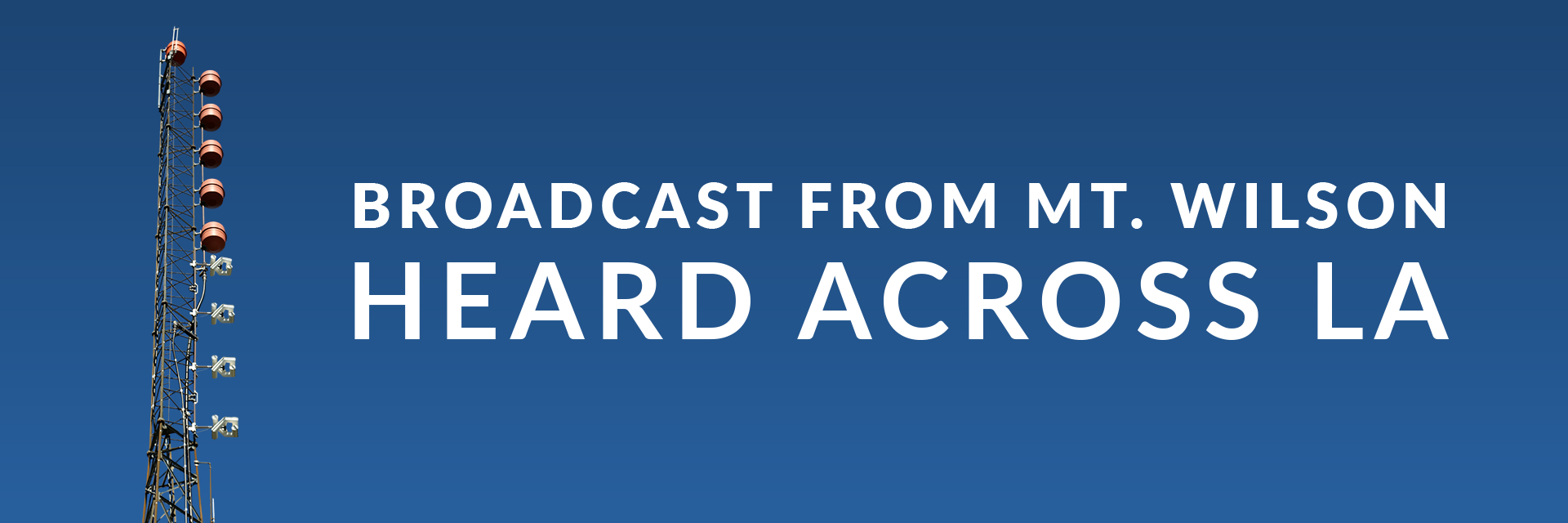
KPFK is a listener-powered radio station in Los Angeles. We broadcast the stuff that gets left out: the stories corporate media won't run, the music commercial stations won't play, the conversations that don't fit into a four-minute segment.
No ads. No sponsors. No billionaire backers. We've operated that way since 1959, funded entirely by the people who listen.
Media consolidation is accelerating. Local news is disappearing. KPFK is still here because our listeners keep us here.
KPFK was started in 1959 by the Pacifica Foundation, an organization built by WWII-era pacifists who wanted a media platform that didn't answer to the government or advertisers. That idea was considered radical then. It still is.
We were the first full-time FM station west of the Mississippi powered entirely by listener donations. From the beginning, the mission was plain: serve peace, culture, and honest public conversation without compromise.
The station has survived FBI surveillance, FCC investigations, governance crises, financial hardship, and more internal fights than anyone wants to count. We're still broadcasting because our listeners refused to let us go dark.
Our structure is unusual: a locally elected station board and a national nonprofit ensure we answer to people, not shareholders. KPFK is one of the last media institutions in America where the public actually holds the mic.
Pacifica launches KPFA in Berkeley. First listener-sponsored, non-commercial station in the country. Built by conscientious objectors who believed radio could be something other than a sales pitch.
Pacifica's second station launches from Mt. Wilson at 110,000 watts. One of the most powerful FM signals in the western U.S. Terry Drinkwater is the first general manager.
Two years in and KPFK wins Pacifica's second George Foster Peabody Award for journalism that challenged Cold War groupthink.
The FCC withholds license renewals for Pacifica stations, investigating supposed “communist affiliations.” Pacifica was never cited. The FCC chair later criticized the broadcast industry for not defending them.
KPFK organizes the original Renaissance Pleasure Faire as a fundraiser. It becomes a cultural institution that outlives its radio origins by decades.
The Symbionese Liberation Army delivers the Patty Hearst tapes to KPFK. General Manager Will Lewis spends 15 days in jail for refusing to hand them over to the FBI.
One of the first LGBTQ+ radio programs in the U.S. goes on air at KPFK. Still running. Longest-running queer radio show in American history.
KPFK airs Robert Chesley's AIDS-era play. The FCC rewrites its indecency rules in response, using the broadcast as its test case.
Fresh off Paul Simon's Graceland, the group makes their first live U.S. radio appearance on KPFK.
Senate Republicans impose “objectivity and balance” conditions on public broadcasting funding. A CPB board member files a complaint against KPFK specifically, citing its Black History Month programming.
Amy Goodman and Juan González debut the show on the Pacifica network. It becomes the most recognized program in independent media, now carried by over 700 stations.
Pacifica's national board tries to centralize programming and chase corporate-style funding. Staff walk out across all five stations. Court battles and protests follow. Listeners fight to keep the network independent, permanently reshaping Pacifica's bylaws.
KPFK launches a daily Spanish-language newscast with reporters across the U.S. and Latin America. One of the few independent Spanish-language news programs on American radio.
Maggie LePique, a music host at the station since the ’90s, takes over as interim General Manager and begins refocusing on local journalism and community programming.
KPFK restructures its programming, expanding local voices and pulling fringe content out of prime hours. Shows like Background Briefing return to anchor the schedule.
Ace Estwick steps into the Interim General Manager role. Maggie LePique returns to her roots as Music and Promotions Director, leading music programming, sponsorships, and the KPFK Transmitter Repair Campaign.
We don't do soundbites. We do signal.
KPFK is on the air 24 hours a day with reporting, music, and conversation you won't find anywhere else on the dial. We cover what matters to Southern California and what the rest of the media ignores.
Our lineup includes Democracy Now!, Sojourner Truth, Informativo Pacifica, Rising Up with Sonali, Background Briefing, and dozens more programs made by and for the communities they serve.
KPFK is run by a mix of veteran journalists, lifelong music heads, community organizers, and people who wandered in as volunteers and never left. We're listener-funded, with governance from an elected local station board and oversight from the Pacifica Foundation.
Nobody here is getting rich. People work at KPFK because they believe public media still has a role to play, and they'd rather build it than complain about what's missing.
KPFK runs on people, not algorithms. If you're tired of yelling at your phone, here's somewhere to put that energy.
FEATURED EVENT